The Destined One is the player-controlled monkey protagonist of Black Myth: Wukong, but he is not simply Sun Wukong under another name. He follows the Great Sage's path, gathers relics connected to Wukong and may inherit or transform that legacy depending on the ending. XianLore therefore keeps the Destined One, Sun Wukong and Great Sage forms as related but distinct identities.
The Destined One and Sun Wukong
Shared species, weapons and legacy do not make the two names interchangeable.
| Topic | The Destined One | Sun Wukong |
|---|---|---|
| Story role | Player-controlled pilgrim | Great Sage whose past shapes the journey |
| Identity | A new monkey protagonist | Established Journey to the West figure |
| Objective | Gather relics and complete the path | Legacy divided after his fall |
| Visual overlap | Staff, gourd, armor and monkey form | Multiple Great Sage and memory forms |
| Archive rule | One canonical protagonist page | Separate related identity and form records |
Who is the Destined One?
The Destined One is the pilgrim controlled by the player. His journey begins after the fall and division of Sun Wukong's legacy, sending him through ruined temples, mountain kingdoms and transformed religious worlds.
He is intentionally less verbally defined than many companions and bosses. Movement, combat choices, armor, gestures and the reactions of other characters carry much of the identity work.
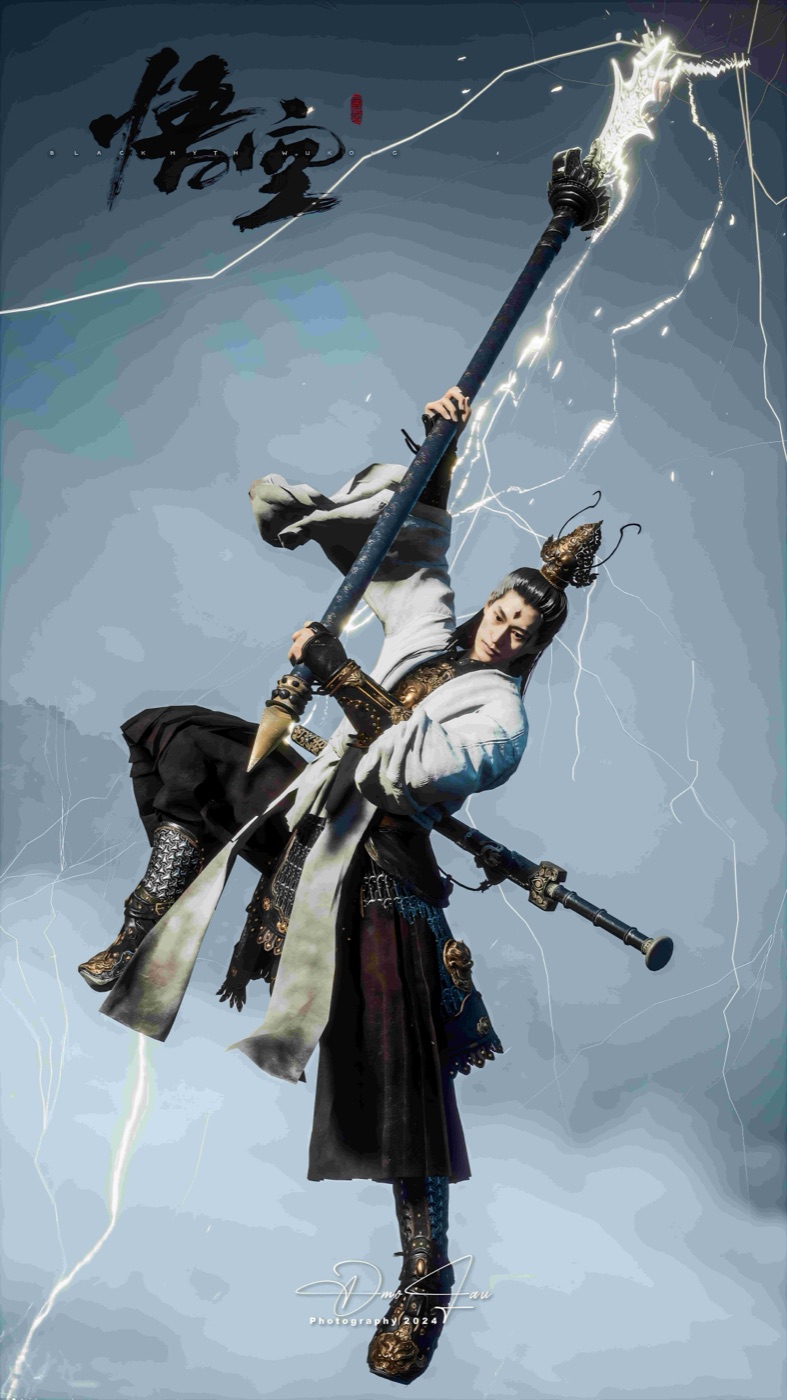
Why he is not simply Sun Wukong
The game depends on similarity: the Destined One is a monkey warrior using a staff and retracing a path shaped by the Great Sage. It also depends on difference: other characters respond to him as a successor, candidate or new participant rather than as an uncomplicated return.
A useful archive keeps relationship fields such as successor, relic bearer and legacy inheritor instead of replacing the protagonist's name with Wukong for search convenience.
The six relics and inherited memory
The relic structure turns Wukong's qualities and history into objectives distributed across the journey. Recovering them is both progression and an investigation into what the Great Sage became after Journey to the West.
Images of relic moments need chapter and spoiler labels. A glowing object or boss reward should not automatically receive a named relic without visible or journal confirmation.
Staff, gourd and transformations
The Destined One's staff combat provides the visual foundation, while the gourd supports healing and material customization. Transformations and spirit skills let him temporarily borrow forms associated with defeated or encountered beings.
Those borrowed bodies are gameplay forms, not proof that the protagonist becomes a new canonical character. The archive should connect form, source character and technique while retaining the Destined One as the parent identity.
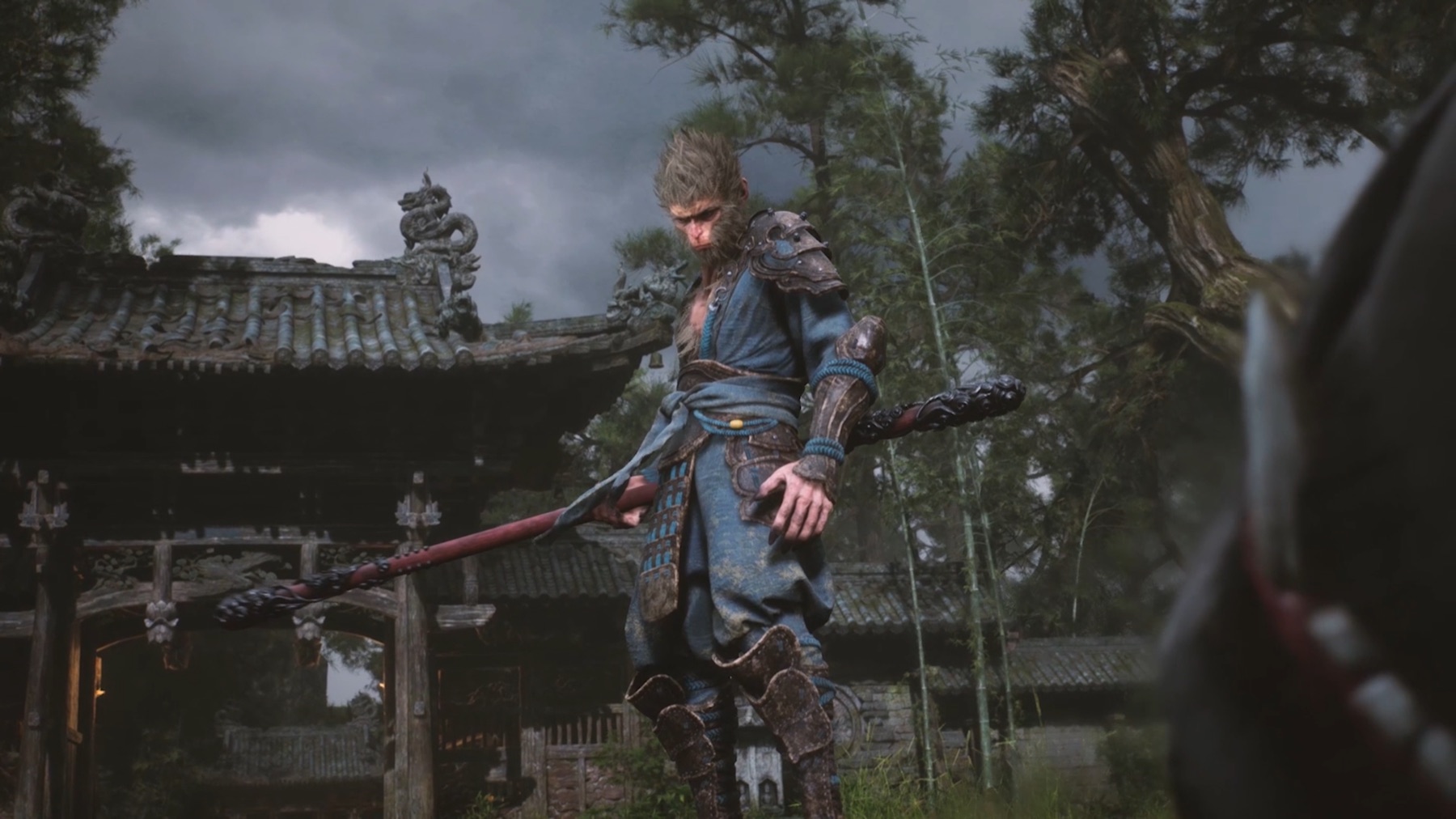
Zhu Bajie, Erlang Shen and the Old Monkey
Zhu Bajie provides a living bridge to the old pilgrimage and reacts to the new monkey through memory, irritation and attachment. Erlang Shen tests whether the protagonist can understand and carry what Wukong resisted.
The Old Monkey frames the journey and its meaning, but narration should not be accepted as neutral simply because it sounds authoritative. The ending asks the player to interpret inheritance rather than receive one uncontested answer.
How the endings change the legacy
Black Myth's endings differ in what the Destined One understands and accepts. The most important distinction is not a cosmetic final scene but whether memory, control and the Great Sage's will have been confronted.
Because this material contains major spoilers, wallpaper pages should identify ending scenes explicitly and avoid using final-form labels on ordinary armor screenshots.
Visual identity standard
Stable cues include a heavy low brow, deep-set eyes, short primate muzzle, exposed ears, grey-brown cheek and jaw fur, tall coarse head hair and a lean combat build. Armor changes frequently and should be stored as equipment, not as a new person.
Sun Wukong, the Great Sage's Broken Shell and other monkey figures require their own face, form and story checks. Wrong identity is more damaging than leaving an image at world level.
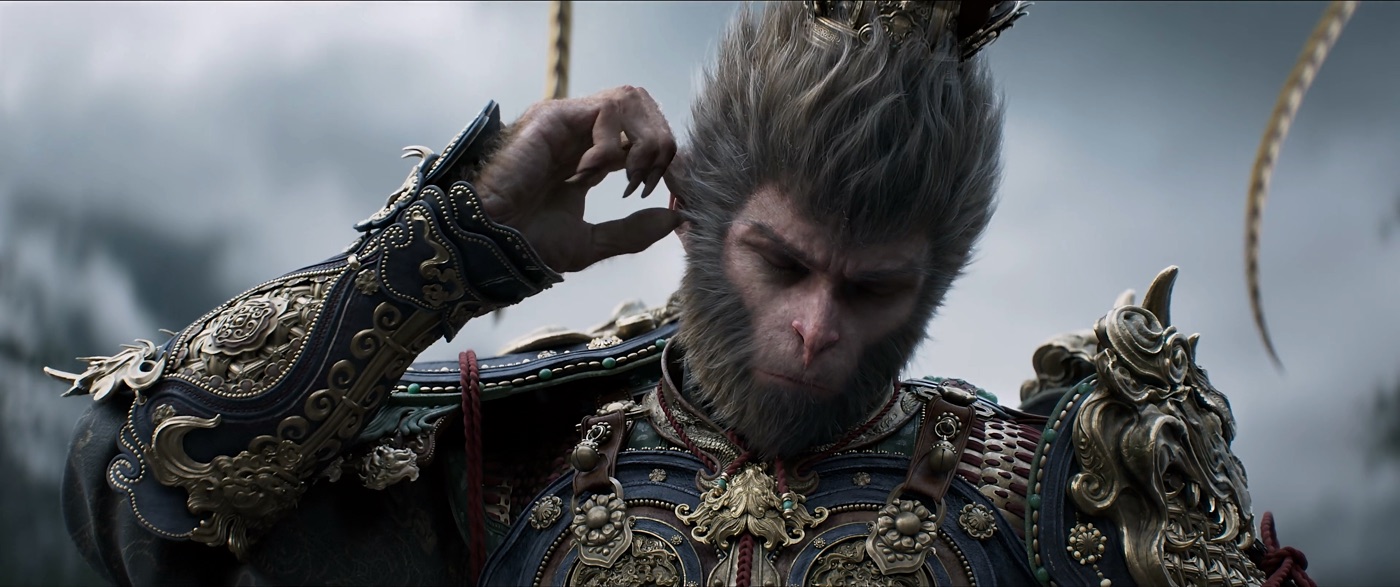
Silence, animation and player authorship
The Destined One rarely explains himself through dialogue, which makes it tempting to call him empty. The design instead lets posture, hesitation, finishing animations and the player's willingness to explore hidden encounters produce a quieter form of characterization.
This silence also leaves space for different player readings. A cautious pilgrim who studies every journal can feel different from a direct fighter rushing from boss to boss, even though both runs share the same canonical route and body.
Equipment changes are not new identities
Armor sets can alter head shape, color, silhouette and apparent rank so dramatically that two screenshots may look like different monkey warriors. Equipment metadata must sit beneath the parent character rather than creating a page for every set.
The same principle applies to stances, vessels, transformations and temporary buffs. The archive should state what changes, how it was obtained and whether the face remains visible, while preserving one Destined One entity.
Common search mistakes
Global searches often use Wukong, monkey king and Destined One as shortcuts for any Black Myth protagonist image. That behavior is understandable but too broad for alt text, structured data or an encyclopedia caption.
XianLore can absorb the search terms through aliases and explanatory links while keeping the factual answer precise. Search convenience should lead users to the distinction, not erase it.
Sources used for this guide
Game Science's official site establishes the game and its adaptation framework. Boss, location and story descriptions in this guide are limited to material represented in the released game.
Black Myth: WukongGame Science · Official game siteThe Destined One FAQ
Is the Destined One Sun Wukong?
No. The Destined One is a new protagonist following Sun Wukong's path and relics. The ending determines how that legacy is inherited, but the two identities should not be merged.
What is the Destined One looking for?
He travels to recover six relics connected to Sun Wukong and the Great Sage's divided legacy.
Why does he use a staff like Wukong?
The staff is part of the shared monkey-pilgrim and Great Sage legacy, but a shared weapon type does not make the protagonist the same person.
Does the Destined One speak?
The protagonist is largely silent, so identity and character are communicated through action, animation, equipment, relationships and the player's path.
How can images distinguish him from Sun Wukong?
Use facial model, armor set, story scene and visible form. Generic monkey-warrior art or a staff alone is insufficient.
What visual detail from Black Myth should this guide explain next?