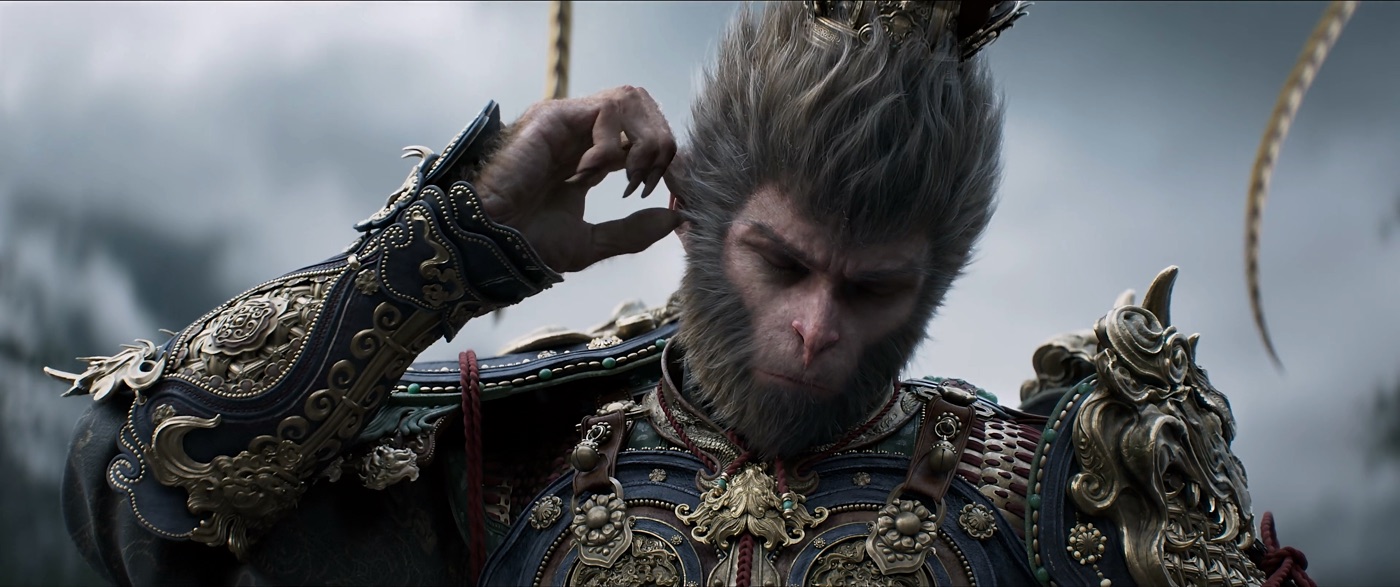
A world built from cultural memory
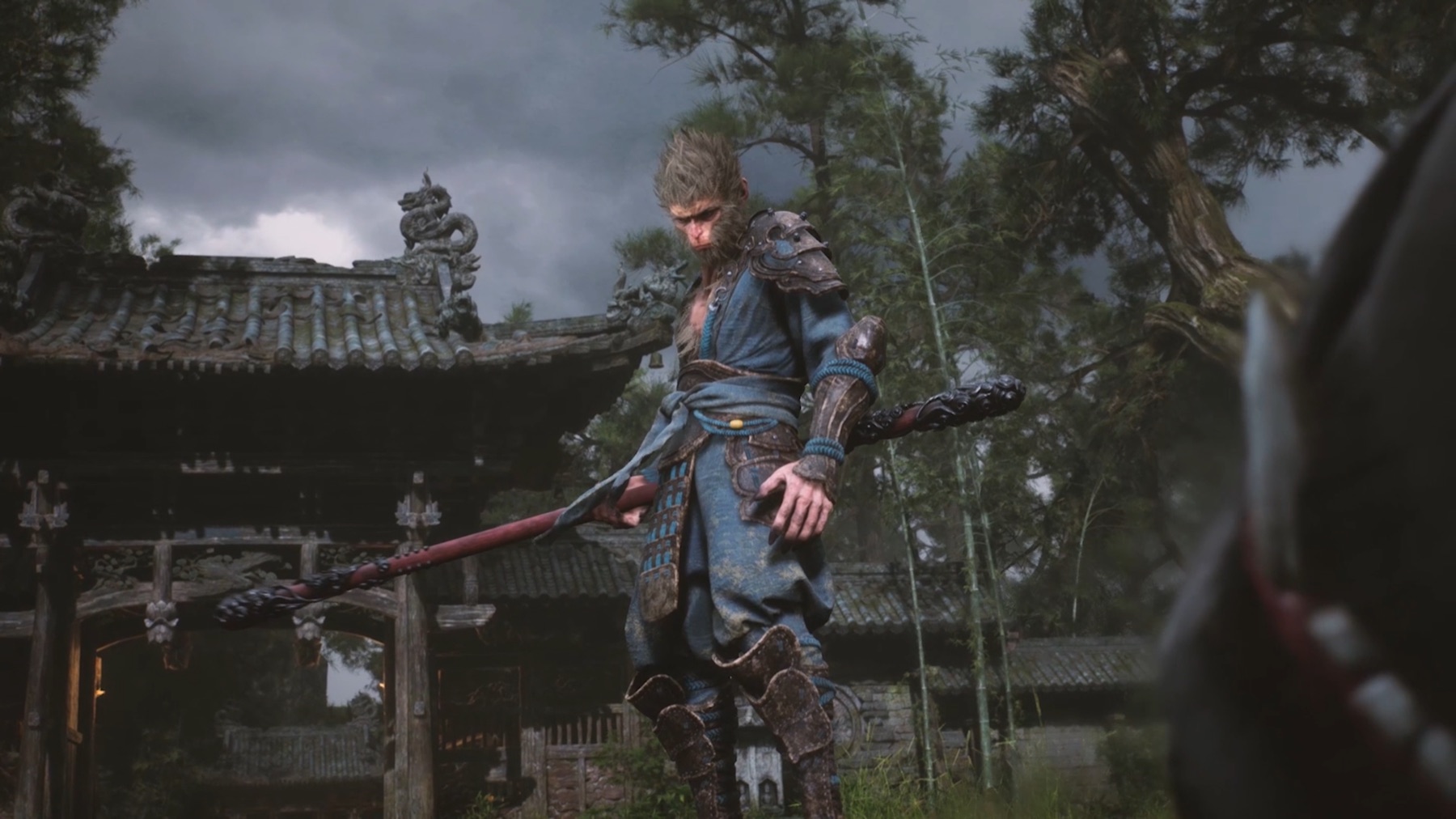
The game does not rely on one generic idea of ancient China. Temple layouts, mountain paths, devotional objects and regional visual references create a world that feels accumulated rather than invented overnight.
Pilgrimage after the legend
Journey imagery gives the player a familiar cultural direction, while ruins and altered creatures suggest that stories continue after their best-known ending. This tension is central to the game's visual identity.
How to tag cultural references
Archive tags should distinguish a visible object from an interpretive claim. Temple, guardian statue and pilgrimage path can be descriptive tags; a specific mythological identification should include a source note.
Explore related searchesBlack Myth Wukong mythologyJourney to the West explainedChinese mythology game art
What visual detail from Black Myth should this guide explain next?